


The Boys Who Stayed: Preston Ong’s Story of Friendship and Multicultural Malaysia
Ogos 21, 2026
The Ocean Would Paint Me Blue: Zoulfa Katouh on Identity, Prejudice and Belonging
Ogos 21, 2026The Boys Who Stayed: Preston Ong’s Story of Friendship and Multicultural Malaysia
Ogos 21, 2026The Ocean Would Paint Me Blue: Zoulfa Katouh on Identity, Prejudice and Belonging
Ogos 21, 2026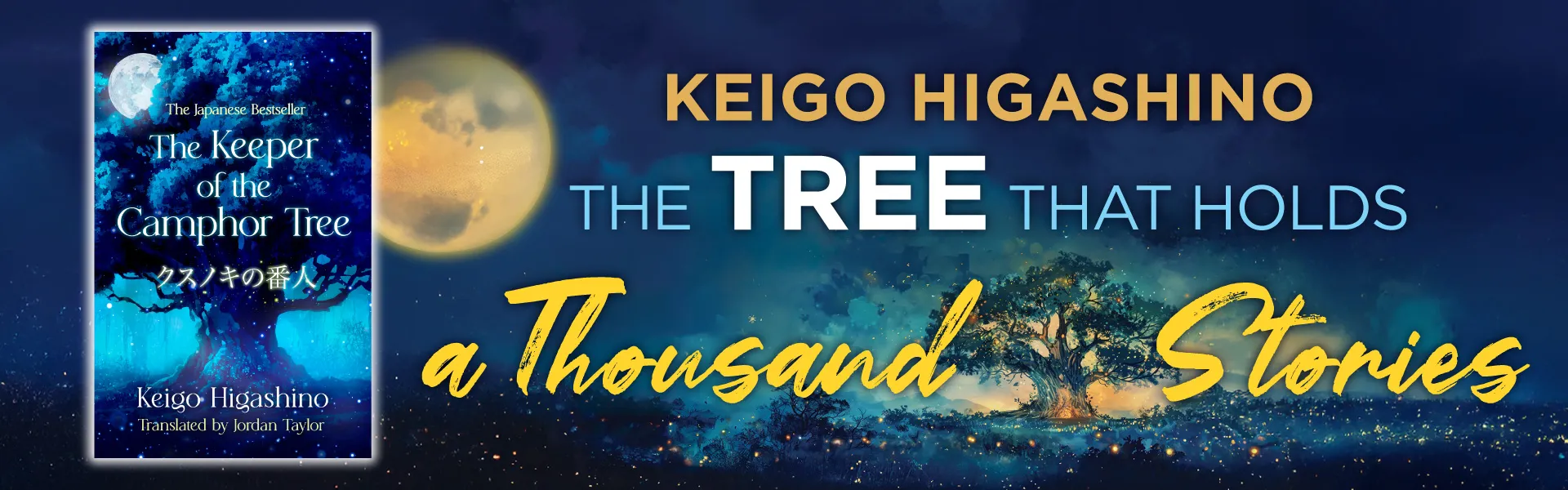
The Keeper of the Camphor Tree: Keigo Higashino’s Mystery of Memory and Family
Text | Larissa Lumandan
Some books pull readers in with explosive twists and impossible crimes. Others arrive quietly, unfolding like a conversation beneath the shade of an ancient tree, only to linger in your thoughts long after the final page. The Keeper of the Camphor Tree is one of those rare novels; a story that proves the most unforgettable mysteries are often about people, memory and the invisible ties that connect generations.
Its author, late Keigo Higashino, had built an international reputation for ingenious mysteries that explore not only how crimes are committed, but why people make the choices they do. Before becoming one of Japan's most celebrated writers, Higashino worked as an engineer, a background reflected in the careful construction and precision of his storytelling.
The camphor tree’s sacred symbolism
The novel's central symbol—the ancient camphor tree—is far more than a picturesque backdrop. Known as kusunoki in Japan, camphor trees are often found within the grounds of Shinto shrines, where centuries-old trees are regarded as sacred and believed to be the dwelling places of kami, or divine spirits. They stand as silent witnesses to generations of lives, carrying stories, memories and a sense of continuity between past and present. Drawing on this cultural belief, Higashino transforms the camphor tree into a powerful metaphor for remembrance, family and the invisible bonds that endure long after people are gone.
The second chance
The novel follows Reito Naoi, a young man whose life has fallen apart. After losing his job under unfair circumstances, his impulsive act of revenge lands him in police custody. Just when prison seems inevitable, an unexpected offer alters his future. A wealthy aunt he has never met secures his release on one condition: he must become the caretaker of an ancient camphor tree at a secluded shrine.
The arrangement seems peculiar, especially to someone as sceptical as Reito. Yet visitors continue to arrive at the shrine, each performing rituals that hint at the tree's extraordinary significance. They are not seeking miracles in the conventional sense. Instead, they believe the camphor tree safeguards memories, allowing them to reconnect with loved ones and find answers they never knew they needed.
A mystery that unfolds through stories
Rather than rushing towards dramatic revelations, Higashino allows the mystery to unfold gradually. Every visitor brings another story, another fragment of the puzzle and another emotional layer to the novel. What begins as an intriguing premise slowly evolves into a thoughtful exploration of grief, family, forgiveness and the enduring power of remembrance.
The supporting characters are equally compelling. Each carries regrets, unanswered questions or unspoken love, and their individual journeys intertwine beautifully with Reito's own search for purpose. Higashino resists the temptation to fully explain every mystery, leaving enough ambiguity for readers to interpret the story in their own way.
A gentle novel that stays with you
Jordan Taylor's English translation captures the novel's gentle rhythm and understated beauty, making it accessible to readers unfamiliar with Japanese culture while preserving its distinctly Japanese atmosphere.
In an age when thrillers often rely on relentless pacing and shocking twists, The Keeper of the Camphor Tree reminds us that the most meaningful stories do not always race towards the finish. Sometimes they invite us to slow down, reflect and appreciate the quiet moments that shape our lives.
The novel's enduring appeal has even extended beyond the printed page. Set for release in Japan this year, its anime film adaptation will be the first animated feature based on one of Higashino’s works.
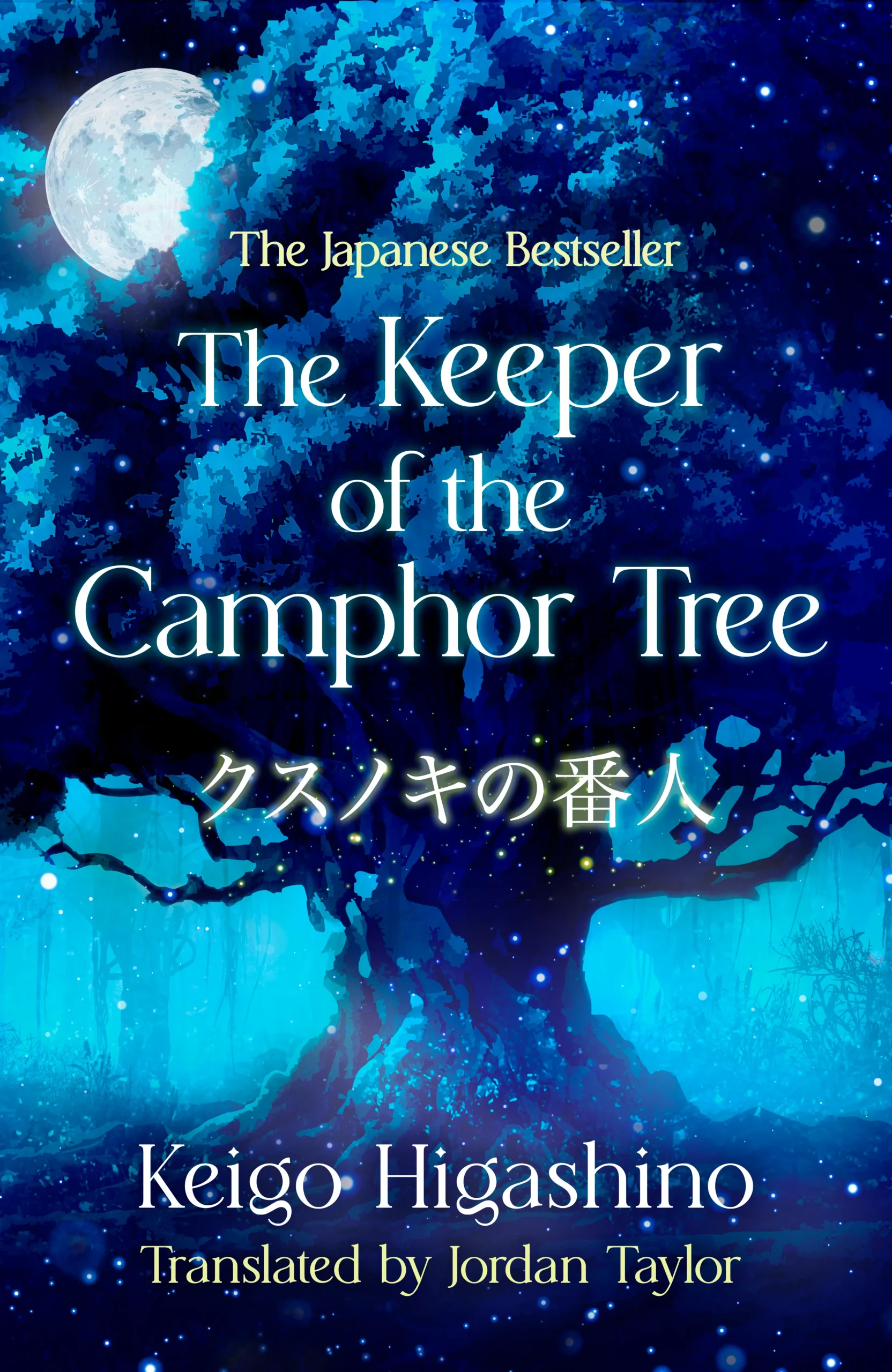
The Keeper of the Camphor Tree
UP: RM105.90
Member: RM84.50nett